I had the pleasure of speaking with one of our friends from Heritage Tractor John Deere this weekend.
He gave me a lot of great information about buy a string trimmer/ weed wacker. I understand that a lot of our customers are looking for right tools for the job- they may not do every bit of their landscape maintenace themselves, but there are elements that they love! A good tool makes it all the more satisfying and does the job right. I, personally, am in the market for a great (probably Stihl) string trimmer/ edger. But I need it to be able to handle larger brush, as I have a hedge row with lots of tree sprouts! Here are some of his tips:
1. You get what you pay for! If you pay more, you WILL get more. In the first two months that Heritage sold Stihl products, it outsold all FIVE other brands sales in the past year. People love their Stihl products.
2. Know what you will use it for. Condo vs. Home? How much space do you have? How heavy duty will this need to be?
3. Let the experts fit you. If you are a big guy, don't buy a small curved shaft trimmer in hopes of saving money. :( In the opposite, if you are a small woman like me, they will fit you with right strap and make sure you know how to handle your equipment.
4. Battery or electric has its place- and is more expensive because of the great new lithium batteries. If you have a condo and small postage stamp of a lawn, it may be the right fit.
Thanks guys! I can't wait to get started.
Garden reminders for this week:
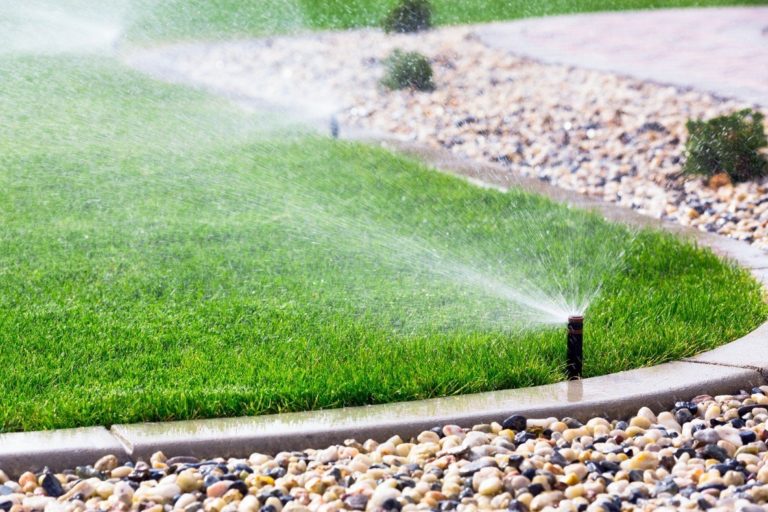
- Don’t water. Wow. Did you ever think you’d hear me say that? But don’t turn on your sprinkler. No. Not your drip either. Everything needs to dry out for minimum a week. Seriously, we have rain in the forecast Wednesday.
- Don’t cut your bulb greens back (mostly daffodils) unless they are really yellow. They look ugly, but ignore them for right now. I’ve decided that all the daffodils that were planted along my front walk, to form an edge, must be transplanted in Fall. They just aren’t in a place that I can tolerate the yellowing, but not really yellow, foliage. Ugly. Moving them.
Plant annuals and vegetables now. Plant okra and beans and eggplant and sweet potatoes- all hot weather loving vegetables. Likely your cool season spinach is nearly done- see it going to seed? Pull it out... plant some okra or beans!
- You can still fertilize shrubs, perennials and definitely annuals! For all use a granular, time release. Balanced is fine… for annuals, use a liquid plant fertilizer.
Prune your knockout shrub roses if they are getting out of control!! It will not take them long to put on a new crop of blooms. If they are 5’ high and rising, cut them back. Thin them out in the middle as well for best results. Take out all thicker, older canes and create some space in the middle of the plant.
If you look around, so many plants are coming into their bloom time!
Make a list, ask a landscaper/ horticulturalist or take a picture and post it on our FB wall if you want to idenify a plant! Many favorite perennials are really at their peak- if you're looking to add color and texture to your landscape and garden, consider some of these plants:
Bearded Iris- they are everywhere and they are so vertical and colorful! Add sopme to your garden. Ask your landscaper to leave room on your master plan for them (if you want to plant them yourself).... I have heirlooms from my husbands granny-so special!
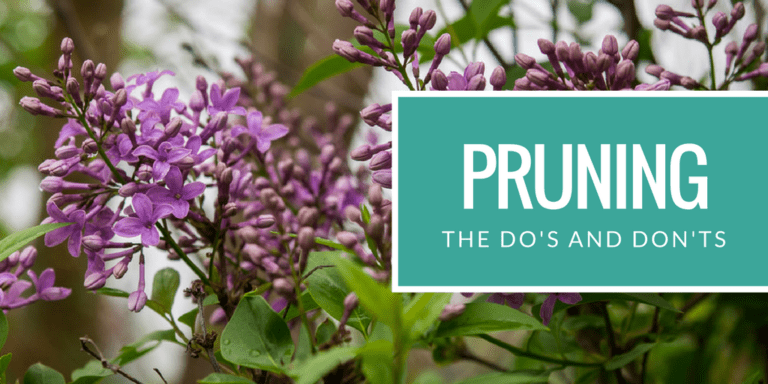
Lilacs-OH MAN. 50 weeks a year, these standard old fashioned shrub/trees are meatballs. But two weeks a year, they are knock-outs, stars of the plant show with a fragrance so sweet! Even better, we can now plant Dwarf Korean Lilacs or Miss Kim Dwarf Lilacs. Both of these grow a max of 5' H x W and have a round leaf, bloom later that traditional lilacs and grow in a mounded shape with little pruning. Score for minimal pruning!
Roses- they are just starting, depending on the variety you have. Most landscape shrubs will take off this week but my ancient rugosa "wild" pink rose has some great blooms right now!
One of my favorite shrubs: Summer Snowflake Viburnum is blooming! Large white blooms held on horizontal branches-- shrub gets LARGE so be forewarned!
Dogwoods- most have passed their peak but many are still holding onto their fabulous, tres chic blooms! So lovely. Enjoy these planted in a protected sunny spot. These love morning sun and afternoon shade.
Here is what is coming into bloom in the next few weeks: ninebark and spirea, poppies, yarrow, salvia.
As always, if you are interested in crazy seasonal color and you want to water-- try annuals!!
Here are a few of my own personal favorite plants this year:

Cimicifuga- Bugbane or Black Cohosh. Finally found this and I love it! Got the ‘atropurpurea’ which means burgundy. Traditional herba use for rheumatism, anti-inflammatory and female reproductive organs (after birth pains, painful menses, menopausal symtoms). I however will be enjoying this woodland beauty- in a partial-sun border with yarrow around it (because my yarrow is sooooo plentiful this year).

Mellow Yellow Spirea- though this will be a giant, eventually, it is a small, golden ray of light right now. It has an Asian look to it, loves sun and even moisture.

Dappled Nishiki Willow. It will get to be a large blocking shrub- 6-8’ H x W. Can be pruned mightily, enjoys wet areas but tolerates drought as well. Can be pruned into a tree form pretty easily- s makes a dwarf tree. Flexible and colorful- bright yellow stems.
Here is a landscape project you can do yourself, if you have the interest and time: transplant/ divid some of your perennials!
How to transplant a perennial!
-
Choose a perennial that clumps or expands by adding root and shoot matter (think Hostas). Sure you can transplant lavender or daylilies, but most of those varieties don’t spread. Good perennials that spread, clump and generally need transplanting after a few years: monarda (anything in mint family), irises (those korms), cat mint, Echinacea/ rudbekia and other reseeding prairie natives.
-
Choose your day carefully. Transplants suffer least shock when it is cool and cloudy. Hot days will exhaust a new transplant as will drying out. Transplant before or after the sun is at its zenith.
-
Pick your transplant spot FIRST and dig a hole large enough for your transplant (make sure it is a generous sized hole!)
-
Give the base of your perennial a few inches berth- using your spade or hand trowel, cut into the ground a few inches from the base of the plant. (If your plant is 2” across, give the plant at least a couple inches all the way around.) Cut in a wide circle all the way around, loosening the ground around it, as far down as you can go. The bigger the plant, the deeper the roots….
-
Transfer, gently, your transplant to a pot to move it. Put it into your new hole. Tamp earth around it gently. Mix some top soil or compost into your soil mixture that you put back around your plant.
-
Make sure all the air holes are out of it. Water it in well. Add some Ferti-Lome Root Stimulator for good measure! One bottle will last a long time.
-
How to help your perennials right now: don’t expect your sprinklers to water them. Look at rainfall totals and water with a hose or drip irrigation! Prune back all dead leaves, stems, twigs etc. Mulch around them if possible. Use a granular fertilizer- natural and organic IS better to create a stronger plant. Try either compost or Plant Tone from Espoma.
Here is a PDF of information on watering your trees and shrubs (and perennials). Again, don't expect your lawn sprinkler to do all the work for you!
It's that time of year: people run into beautiful trees and plants, make some quick decisions and end up with BUYERS REMORSE.
Don't do this to yourself! Here are some helpful tips when faced with a lovely but mysterious shrub/tree/ perennial at the garden center.
1. Find out all you can about this mysterious beauty that you want to buy and take home and love forever and ever. *What is the botanical name? (Common names for plants are misleading many times) [Pictured above is a Forest Pansy Redbud, Cercis canadiensis]
*What is the mature size for this plant? Please plant accordingly. If this shrub is actually a small tree and will be 8' across, put it in a place that can accomodate it. These tags actually are not lying to you- the garden center may be selling a very small plant now but it will get big.
*How fast will it grow to mature size?
*What is the growing culture for this plant? Does it require sun or shade or something in between? Does it thrive on dry conditions or need wet, moist soil? If you don't figure this out, you WILL kill this plant. "Brown thumb"? More likely, you just didn't read up on your plant.
2. HAVE A PLACE TO PUT THE DANG THING BEFORE YOU BUY IT. Really, if your yard is a "disaster area" in your mind, invest in a landscape design before you invest in some large plants! It's like learning to walk before you learn to roller skate... you really need to work up to buying plants impulsively. Want to know what I do? I only allow myself to buy plants that fit in to the spaces I've designed- that is, I haven't gotten to designing the north side of my house yet. Therefore, I'm not allowed to impulsively buy stuff for that area. I MUST design it first, tying it into the rest of the yard, house and other beds.
(Personal example here) Also-- I have spaces in my border beds. I know that A. I have designed these spaces and they are going to continue being the same design in the future. B. I have limited space left in each area. I may only buy what fits in these empty space. Period. The. End.
If you really want a specific plant, any good designer will listen to this and try to incorporate it. Also, a good designer will tell you when you are CRAZY. "You want this 6-8' wide rhododendron in your front easement that gets no irrigation, you don't ever want to water out there and it's in full sun and has rocky limestone soil? Hmmm. You're delusional. :)" A great designer will then say: "How about we find a great blooming shrub that is that same color and will look excellent out there but be more realistic to the available soil/sun/ water?"
Here is a great client questionnaire we use for landscape and garden design consultations. All of these questions should affect the design of your landscape...
3. Plant with the future in mind. Are you going to be in this house in five years? Do you want shade at a particular place- or do you intend to remove a tree? Is this your retirement house? All of those requirements, all of your plans will affect your design choices and your planting choices. Trees are big investments and much of your landscape design should hinge on the trees that are currently on your property, the trees you want on your property and the effect of those trees.
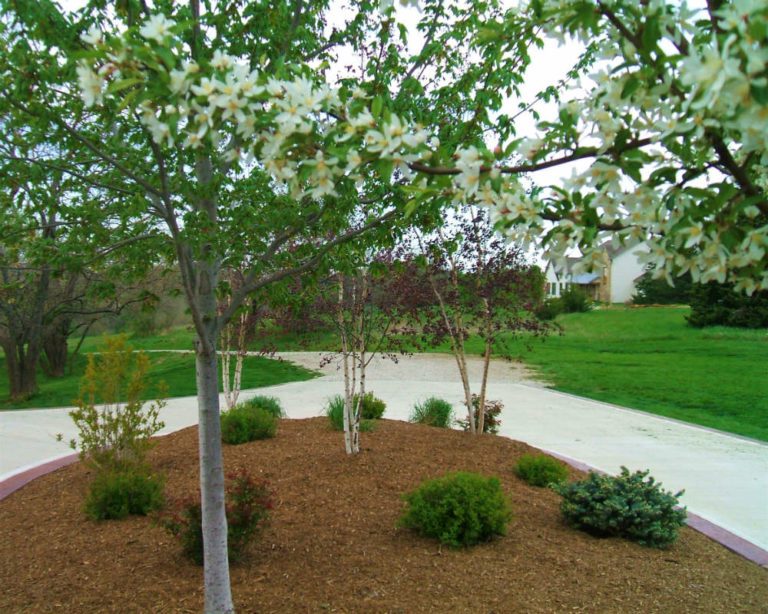
If you are interested in trees and have identified your needs in your landscape design, come visit the LLI Tree Farm. We have lots of trees (obviously) but we also can offer guidance on tree choice. We are having a seasonal sale on blooming, ornamental crabapple trees. These aren't your grandma's crabapple (my grandma would make crabapple jelly from the tasy sour fruit). Crabapples are a diverse, smaller ornamental tree. They offer an amazing spring bloom (later than pear trees) that is unaffected by winter frosts and come in a variety of small sizes. Crabapples are great because there is a dwarf tree for your courtyard or next to your door, as well as a full size crabapple (20' or so) that offers dark burgundy leaves, fits under power lines and still has the great bloom and the cloud shaped canopy. Here are some of our favorites: Spring Snow Crabapple, Royal Raindrops Crabapple, Lollipop Crabapple.
This, my friends, is a Royal Raindrops crabapple if full force!
Lawn and Garden presentation:
This past weekend, I had the pleasure of presenting to the Kansas City Flower, Lawn and Garden show. My old buddies at Family Tree Nursery sponsored a Garden Chat stage. I chose to talk about Thematic Gardens- that is Japanese, xeric, meadow, butterfly, etc. gardens.
--However, it's mostly a good primer on what makes a landscape design GOOD/ effective or powerful! It's also a call to homeowner to "get real" with themselves: what they can and will actually be able to do themselves.
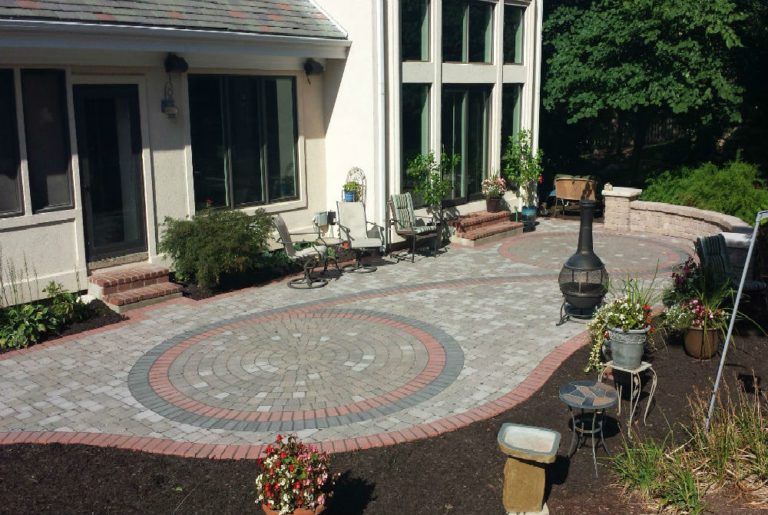
--Also, I hope people will understand that there are landscape elements best left to the professionals. We, Lawrence Landscape, fix so many homeowner installed mistakes. Don't be one of them! Leave the hardscape, patios, paths to the experts. Also, get an expert opinion on your drainage- if you install a landscape and the drainage isn't correct, you can lose it all! Irrigation? Well, ask an expert!
Open the powerpoint presentation to take a look at some of the pictures and ideas I had to share!
Lawrence Landscape is sponsoring a seminar on Green Roofs.
The presenter is from Roof Top Sedums, out of Iowa, and has a lot of information on the benefits of greening up your roof. They promote sedums as a green roof alternative- a natural choice given their ability to stand up to extreme heat and the fact that they need very little growing medium to take off! It is a tray system and it's exciting because it has the capability to be installed on exisiting flat roofs.

Please contact us if you have any questions! The presentation is at the Center for Design Research, right off of Bob Billings parkway (west of Crestline Road). March 14, 9-11 am. Free!
Landscape Design in Winter... planning for spring!
Winter is a great time to plan out your garden. While things are bare, you can really get a feel for what works and what doesn’t. This is the time of year that gardeners begin to plan and buy seeds. Now, I hope you have worked on your landscape designs as well. If not, I will touch on that more after this sample design: I give you a simple nativizing Butterfly garden bed.
One of the great things about a butterfly garden is that it can attract beautiful butterflies (duh) but is also low maintenance and can be as small or large as you want! It gets curious kids very interested, doesn't require fancy soil amendments and is generally an easy care job. It features annuals that can be grown from seed and re-seed themselves, perennials that (if not native exactly) will become very comfortable in your KS garden and a few shrubs for structure and year-round interest.
Cultural Requirements:
-Full Sun
-Garden Soil
-Low Maintenance (no fancy pruning required)
-Xeric or simple water requirements (would like regular water until established, please!)
-Butterfly gardens need a place for butterflies to get water. This could be a rock that holdswater but some sources say that a shallow bowl, filled with moist soil worksbetter for the insects.
-They also need protection from wind, so place the whole bedin a protected place (or plant butterfly bush around one edge to form a windblock).
Shrubs to ground the bed:
Buddleia, ‘Black Knight’ (wonderful dark purple butterflybush- 5-6’H) (from plant)
Rhus typhina (Sumac), ‘Tigers Eye’ (from plant)
Perennial Flowers from plant:
Achillea (Yarrow), ‘Paprika’ (plant)
Coreopsis gradniflora, ‘Zegreb’, ‘Early Sunrise’ (plant)
Echinacea purpurea, ‘Magnus’ (seed or plant)
Lavendula, ‘Hidcote’ (plant)
Asclepias tuberosa (Butterfly weed) (plant) food source
Monarda (Bee Balm), ‘Raspberry Wine’ (plant)
Sedum, ‘Vera Jameson’ (plant)
From Seed:
Bronze Fennel (direct sow) - food source
Echinacea purpurea, ‘Magnus’ (direct sow or plant)
Larkspur (direct sow) - nectar
Liatris (Gayfeather) (plant, from seed) – nectar

Did you know that winter is a great time to get a design begun for your home landscape?
I really enjoy working on designs at this time of year because it's a slower, more mellow time of year. This gives me a chance to really learn about my client and work on a more complex or themed garden. I can complete a site analysis and client interview, especially efficient when the landscape is in dormancy. We can evaluate what's working and what isn't. We can also play with fun ideas- perhaps you've always wanted a Japanese garden or a xeric garden is a necessity in your life. During the slow time, designers are free to spend more time thinking and playing!
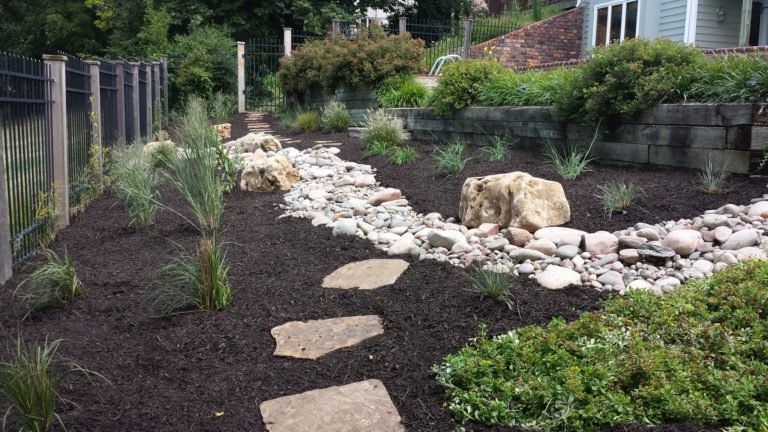
That being said, it's a good time to begin to think about what elements you will do-it-yourself and what elements are best left to the professionals! As a professional, I recommend consulting your favorite local landscape company and designer to get the best idea. I believe that small scale mulching and clean up of a few perennials and roses is a good thing for a homeowner (who enjoys it) to do. As well, maybe you have enough time and energy to work on adding some river rock to your downspout area. However, do you have drainage problems? Questions about your irrigation system's efficiency? Have a large scale lawn renovation in mind? Want to add stone edging? All of these are very important to the beauty and health of you landscape. These are the jobs that we end up re-doing for homeowners most often! So save yourself some money and invest in a complete landscape master plan/ design. This will give you an idea of where to start your own DIY work (if you want to do any yourself
Winter Gardening Tasks
In the winter, gardeners and homeowners often just forget their garden and landscape. This, however, is a perfect time to check in with your structural plants (your evergreens, trees and shrubs) and make sure all dead branches are removed and cleaned up. If you feel abmitious and it is a nice day, you can prune shrubbery. One issue: you must know what you are pruning- do not prune spring blooming plants, as they have already set blooms. If your summer blooming shrubs need a trim up, thin out, do so. While plants are firmly asleep or in dormancy, it is safe to prune them.
We are 17" below average on our rainfall this year. There are two or three storm systems moving our way but the likelyhood of getting more than a trace of precipitation is unlikely. Sad times for trees and plants. On a warm day, like the next few days, it is totally acceptable to give trees a long drink. Plants use less water when it is cold outside, so we only need to water once or twice during dormancy. Frank Male, our fearless leader, gives this advice: water every major holiday from Thanksgiving- St. Patrick's Day. So that means T'Giving, Christmas/ New Year's, Valentine's Day, St. Patrick's Day. I'd advise an Easter watering, too this year.
How should you water? Basically, you shouldn't water any tree or shrub by holding the hose in your hand and letting the water fall down on the plant. Just put the spout at the base of the plant and walk away. Thirty minutes to one hour is acceptable for a shrub or tree. Smaller plant: less water. Larger plant: more water!
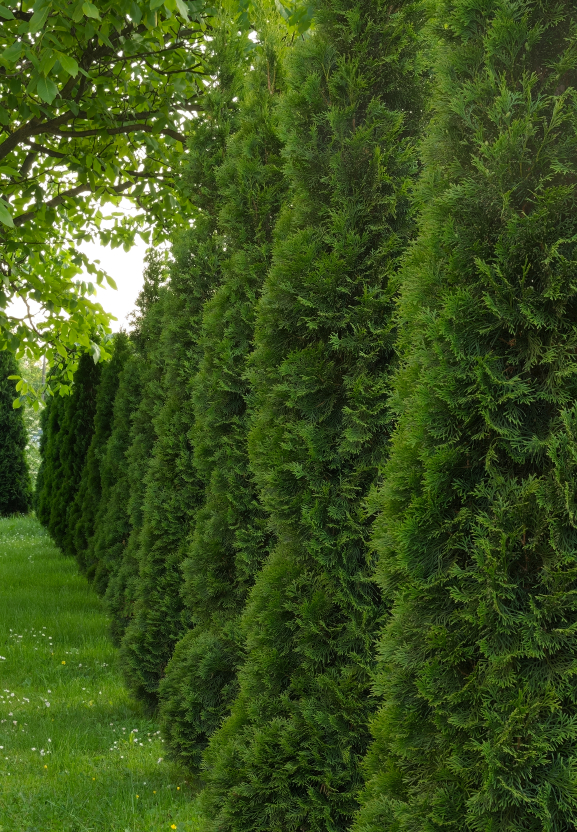
This is a columnar white pine that is thriving on the KU campus. Obviously I took this image in spring since the viburnum are in bloom behind it! But I'd like to remind all of the landscape conneiseurs out there that planting evergreens, while expensive, is a rewarding choice! There are white pine beetles and pests that can attack. But keeping your evergreens in good health with yearly fertilizing and regular water (not allowing your tree to become stressed by drought), keeps pests away! It's just like our immune system. When we remain low-stress or stress free, we are much less likely to catch a nasty cold or flu!
Bringing the Garden Inside
As I dream of spring, that next garden bed and which new plants I will experiment with, something that keeps me warm is my African violet collection. I saw a post on Facebook where a designer was recommending decorating with these lovely little plants. Although they are simple. Here are a few tips to make you more successful:
1. African violets love the cool. While they don't want to be in a drafty situation, they will start to put on blooms at the coldest and darkets time of year. That's good news!
2. They love a comfortable east window the best. Again, they don't need tons of light but do best with a morning sun- the east window. Put yours on a table or shelf in front of your east exposure. Southern windows seem to be too intense, as the leaves can scorch.
3. They love company. One of the most helpful things I ever learned (from Martha Stewart, naturally): keep them with other plants. Group all these beauties together, since the air inside is very very dry and plants all need higher humidity than most houses can offer. When you put your violets (along with jade plants, philodendron and other non-fussy, medium light loving houseplants) together, they keep the air more moist.
4. Put them on a bed of rock and water the rock saucer. I use a big pie plate, pea gravel and put two little pots in it. I always water from the bottom- no long nosed watering can. Any water on the leaves of these violets cause spots and rot. Once in awhile, I'll water from the top to change it up and push some of the white salts down out of the bottom of the pot- but not very often.
It's wonderful outside; here are some garden chores that will help you in the next growing season.
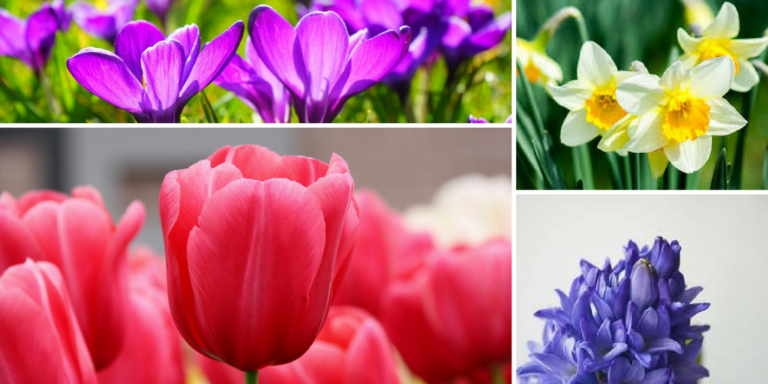
Plant Bulbs- there is lots of time left for this!
I chose to plant a wild, species tulip mixture this year. Last year I planted an extensive amount of daffodils (thanks, honey for the help!)! It was such a wonderful sight. Wow- bulbs really give it back to you!!
Don't bother to fertliize them until they start to push a little green in the spring. Just dig a hold that is deep enough (twice the depth of the bulb) and pop the bulb in pointing up. That pointy nose is the top!

Clean your tools
Why clean tools??
If you clean after every use, you prevent diseases, fungi,insect larva, weed seeds from spreading around your garden. You also extend the lifespan when you removesoil after every use- soil encourages rust (through moisture) and will eat thesharp edge off of your tools! The sharper the edge of your spade, trowel, hoe, edger,the easier they cut. The easier they cut, the less muscle you have to put intothe project!
How do I clean them?
Hose off any tool that comes in contact with soil afterevery use. Use a garden hose set on maximum pressure or, with heavy clay soil,scrub with a bristle brush. DRY YOUR TOOLS- just like that nice sharp knife inyour kitchen!
For cutting tools with sharpened edges that don’t come incontact with soil (like loppers, clippers, axes, pruning shears, knives), wipethem down with a rough cotton cloth. The idea is to remove sap and gum from theblades. Use a little paint thinner on a cloth to remove really sticky stuff….Again, dry the tool after cleaning!
Prevent Future Damage
Steel tools are still susceptible to rust, even aftercleaning and drying. Note: the higher the grade of steel, the more vulnerableto rust. Use oil to repel dirt, dust and erosion. Interestingly, motor oil is touted as a great inexpensive rust preventer! They say, mix motor oil and kerosene in a 2:1 ratio(two part oil to one part kerosene). Put it in a sprayer for easy use. [Please dispose of it as you would motor oil and store in a safe way, away from heat sources]
Sharpen Tools
Sharpening is a bit more complex, but shovels, axes, trowels and hoes are easily sharpened by hand. Get an 8" long mill file with a bastard cut (that's straight dudes, not curved). Mine cost $8.99 at the hardware store. Get one with a handle- you'll need it.
RULE OF FILE: Only draw the teeth one direction over theedge being filed. Sawing back and forth? Never. Ever. Hold the tool to be sharpened in a vise or some otherbracing system, so you can use both hands. You must maintain the same angle tothe edge as you push the file across it. To sharpen shears and knives, you need a vise and an oilstone. Like sharpening the good kitchen knife, go one direction and follow the instructions that your oil stone comes with!
Hang Your Tools
Really, fancy systems to organize your tools aren’tnecessary, unless you want them! Use a two-by-four with 10-penny nails as yourholder. Put the business end of your tool down, so as not to hit yourself orsomething else when you take it down. With wooden handled tools, just drill a hole in the handle of your tools (axes, rakes, shovels, etc.). Put a piece of leather through the end and Voila!
Random questions about tree care in cold months:
Tree Bags? Try a tree bag ( brand name Treegator) to help water correctly. It provides deep, root zone watering with no run off or evaporation. So if you choose to ignoremy directions about how to water, you can use this device! This is a goodsafety for newly planted trees and folks who have “brown thumbs”. Our opinionaround here: they should be one on every tree in every median, City of Lawrence.
Frank Male, our lovely production manager also reminds me of this: water every holiday through the winter. Water on Thanksgiving, Christmas,Valentine’s Day and St. Patrick ’s Day. This cold weather watering can really minimize winter damage and help trees survive and thrive in the spring.
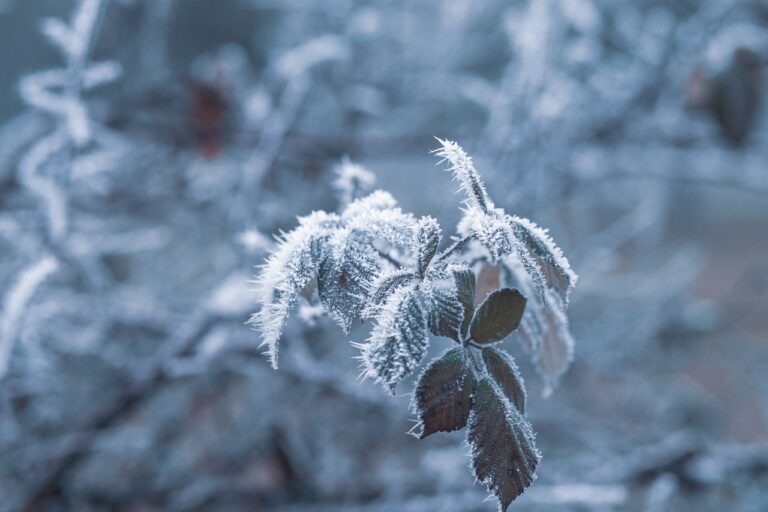
Bark Wrap? Trees and shrubs can be damaged by sudden fluctuations of temperature (hello,Kansas!), prolonged periods of low temperature with no insulating snow andunexpected early/ late season cold snaps. Sun scald happens on the south,southwest side of an immature tree. It can heat up on a cold winter day,initiating cambial activity. (This means it starts to grow) Suddenly, the temperature drops and it kills the tissue. This means a big old wound, dead place and scar on your delicate new tree. Put commercial bark wrap on your tree to insulate and maintain a more even temperature. Paper or plastic work fine, as long as it’s put on in the early fall and removed in spring. Trees with thin bark who need this specialattention: cherry, crabapple, honey locust, linden, maple, ash, plum.
Since bark is much like skin, the wound can also heal. Take a sharp knife and cut out the wound in the same shape. Wrap in future winters to prevent more damage. Don't dress the wound.
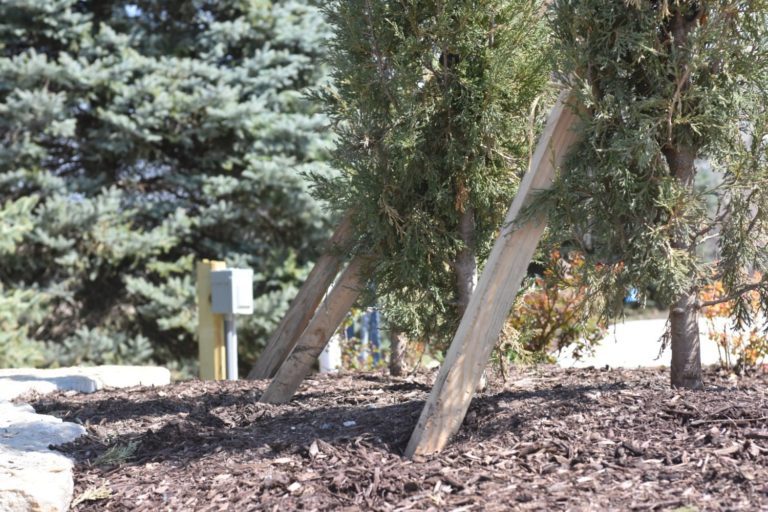
Look at the picture -- This is a downtown Lawrence tree (awesome lights!). Notice the bark wrap? Yup. But also, look at the stakes. It is really important to stake young trees. Most nursery men agree that stakes are very important for the first year. If you are planting a tree on a windy, exposed site, leave the stakes on two or three years. Please note that trees in their 2nd or 3rd year in the ground can really grow exponentially. Watch that any cables or ties are not cutting into the bark (cambium).
Winter Kill of Evergreens
-
Winter sun and wind cause excessive transpiration (foliage water loss) while the roots are in frozen soil and unable to replace lost water. This results in desiccation and browning of the plant tissue.
-
Bright sunny days during the winter also cause warming of the tissue above ambient temperature which in turn initiates cellular activity. Then, when the sun is quickly shaded, foliage temperature drops to injurious levels and the foliage is injured or killed.
-
During bright, cold winter days, chlorophyll in the foliage is destroyed (photo-oxidized) and is not resynthesized when temperatures are below 28F. This results in a bleaching of the foliage.
-
Cold temperatures early in the fall before plants have hardened off completely or late spring after new growth has occurred can result in injury or death of this nonacclimated tissue.
Foliar damage normally occurs on the south, southwest, andwindward sides of the plant, but in severe cases the whole plant may be affected.Yew, arborvitae, and hemlock are most susceptible, but winter browning canaffect all evergreens. New transplants or plants with succulent, late seasongrowth are particularly sensitive.
There are several ways to minimize winter injury toevergreens. The first is proper placement of evergreens in thelandscape. Yew, hemlock, and arborvitae should not be planted on south orsouthwest sides of buildings or in highly exposed (windy, sunny) places. A second way to reduce damage is to prop pine boughs or Christmas tree greens against or over evergreens to protect them from wind and sun and to catch more snow fornatural protection.
(thanks university of minnesota extension for the great winter kill info)
We are very proud to announce our participation in the event "Renewal and Remeberance" at Arlington National Cemetery this past week.
Dean Gore, our lead Certified Pesticide Applicator (Chas' saviour and an all around great guy), took part in a national clean up day at Arlington National Cemetery. This day, in its 15th year, draws over 400 green industry members from across the nation to our national cemetery for a clean up day. PLANET, our professional landcare network, organizes this every year and it draws an amazing amount of people and media attention!
http://www.landscapemanagement.net/design-build/ld-b-solutions-e-news/news/planet-members-helped-beautify-arlington-national-12312
We appreciate our hard working staff members but Dean is a standout! Thank you Dean.

As well, Lawrence Landscape is HIRING! Come work for a great team....
We are in search of a qualified, higly skilled Nursery Manager. We need someone to lead our Tree Farm retail growing operatation. This posisiton will be full time grower/ tree manager. It is intended to be 75% manual labor, 25% desk job. This person will participate in all facets of the nursery tree farm operation and product development. Nursery certifications (KLNA) or other relevant industry certifications are preferred. Experienced required, Must show demonstrated ability to complete paperwork in an organized and timely manner, work with contractors, landscapers and the retail customers of our business.
Job requirements: Must have proven plant/ tree knowledge, have nursery experience, be able to run equipment, able to lift 50 lbs, problem solve and diagnose plant problems. Must be a Certified Pesticide applicator or be eligible. Must have a valid driver's license.
Compenation: Salary depend on experience. Benefits include health insurance, Simple IRA after 3 months and vacation.
Application: Fax resume to (785) 843-6524 or call (785)843-4370 with questions. Or apply online at www.hortjobs.com
We are also hiring for a mowing crew position. Check out our application at Apply/ Contact Us.
It's spring here folks! If you haven't noticed, we're in the middle of a "war" between flowering trees. Each one is trying to outdo the other! Did you know that our Tree Farm is open to the public? We sell homegrown trees, grown in our own Wakarusa Valley soil, pruned, cared for and dug up by our nurserymen. To visit our nursery, get directions, check availability, visit our Tree Farm info site!
Here are a list of the beauties blooming, where they work/ don't work and what to expect from them.....
Pear Trees: Many people still live in fear of the splitting pear trees. And with good reason- the old, 20' tall trees often split and crash on cars, power lines, houses, etc. However, the good news is that these trees are NOT brittle. The wood is soft and the growth is very, very vertical (think LONG skinny vertical limbs). This creates a weak crotch, where the limb meets the tree. The improved variety that we've had smashing success with is a Cleveland Select (also Chanticleer). We've had these babies planted out at the tree farm for 8 years with no breakage or splitting.

Crabapple: We carry many varieties. Our favorites....
Royal Raindrops: 20' H x 15' W. It has a purple burgundy leaf, coral blooms (check them out RIGHT NOW!) and a superior disease, blight and rust resistance. As well, the fruit is has are vestigal and tiny and persistent (not fruity and squishy but decorative).

'Sugartyme' Crabapple: 18' H x 15' W, great WHITE bloom, Asian spreading shape, very red berry and gold fall color. (Think under the power lines!)
'Firebird': 8' H x 10' W, miniature tree for near the house, white blooms from red buds, red persistent fruit. Great cottage garden tree!
(photo care of fossil creek)
Redbud Trees:
Eastern Redbud: 20-30' H x 15-25' W. This is the native, old fashioned beauty. She is a bit Asian, with her spreading, architecturally craggy branches. She is also a warhorse- no heat or drough will kill this tree. Shiny heart shaped leaves and golden fall color are a winning team.

'Merlot' Redbud: Like the Burgundy Hearts, this has a dark wine-colored leaf that is shiny and glorious all year. 18' H x 20' W. Try this in a partial-sun area- where it gets morning sun and a little afternoon protection. This keeps the leaves nice all year, even in the dead heat of August! A prize winner and a garden favorite.

Our nurseryman Mike gave a great presentation (made by MOI! Laurel! MOI!)- this should give you some ideas for new trees for your lawn, garden and property. If you have any questions or you'd like to buy bulk mulch, soil, rocks or sand, give Mike a call and he can set up delivery. You don't even have to come to the farm! (785) 423-5861.
To download Mike's recommendations, click here.