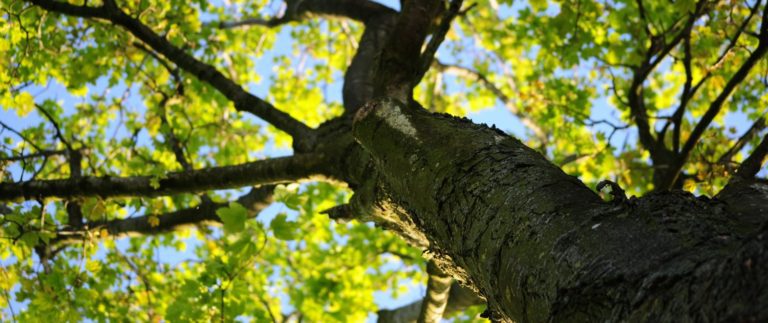
Are Your Trees and Shrubs Getting the Nutrients They Need?
How Can I Make Trees Grow Faster? It’s common knowledge that people need certain essential vitamins and minerals to stay healthy, but did you know

How Can I Make Trees Grow Faster? It’s common knowledge that people need certain essential vitamins and minerals to stay healthy, but did you know
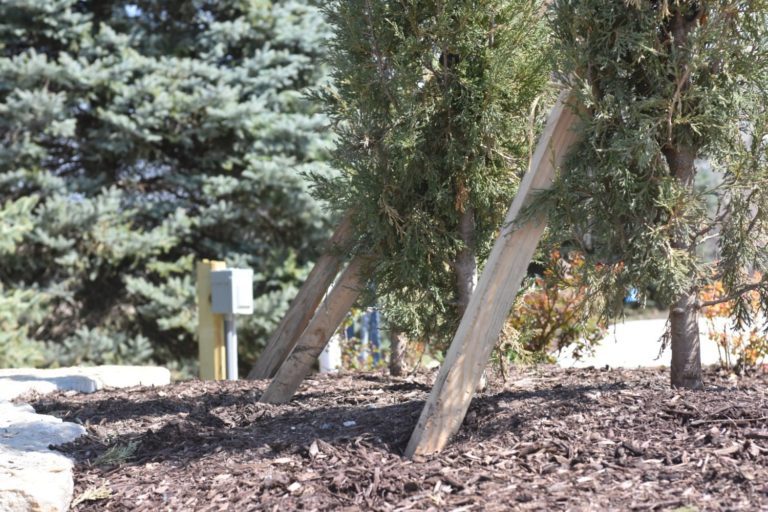
Newly planted trees are typically staked to provide additional support until the tree has established a root system strong enough to serve as its own
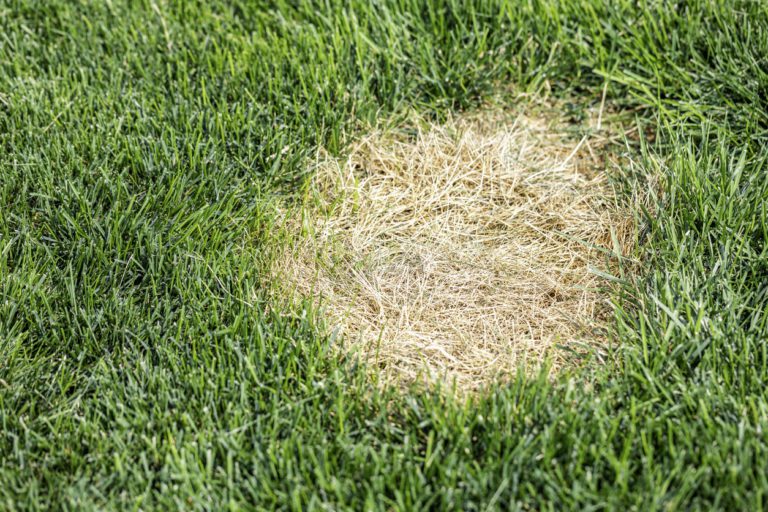
Warmer weather is right around the corner! Summer will be in full swing soon enough, and everyone will be out mowing their yards at least
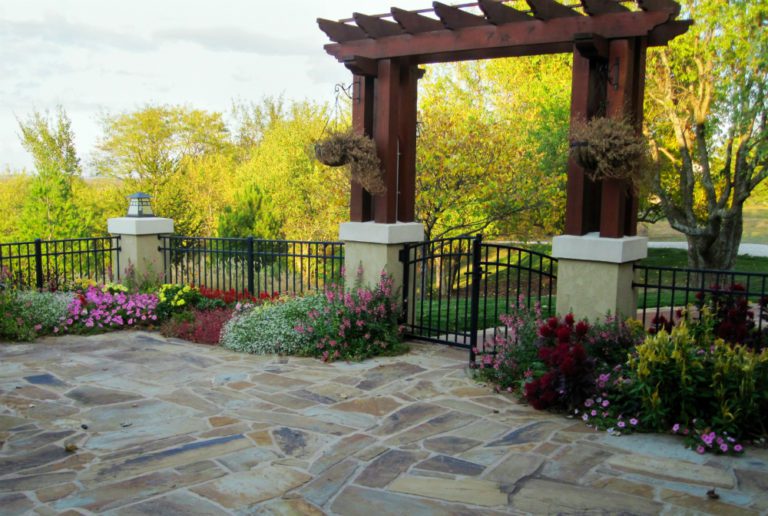
Homeowners have spent more time than ever in their yards over the last two years due to the restrictions of the COVID-19 pandemic. As a
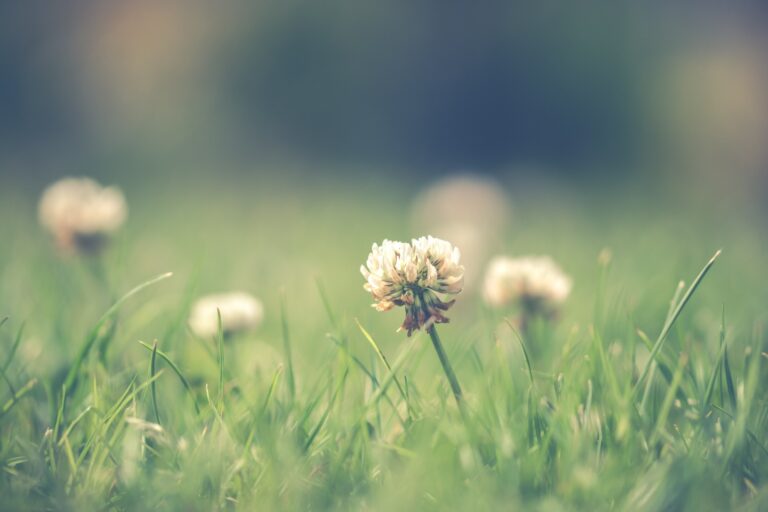
Weeds, by nature, are invasive and spread quickly as they compete with your existing lawn for nutrients. Because these invasive weeds are damaging to the
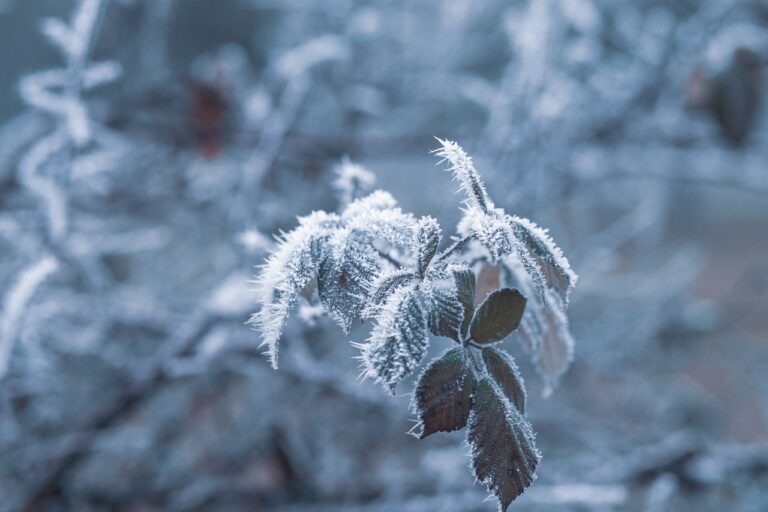
Your landscape may go dormant in the winter, but it doesn’t die completely. The steps you take now will affect how well your lawn and
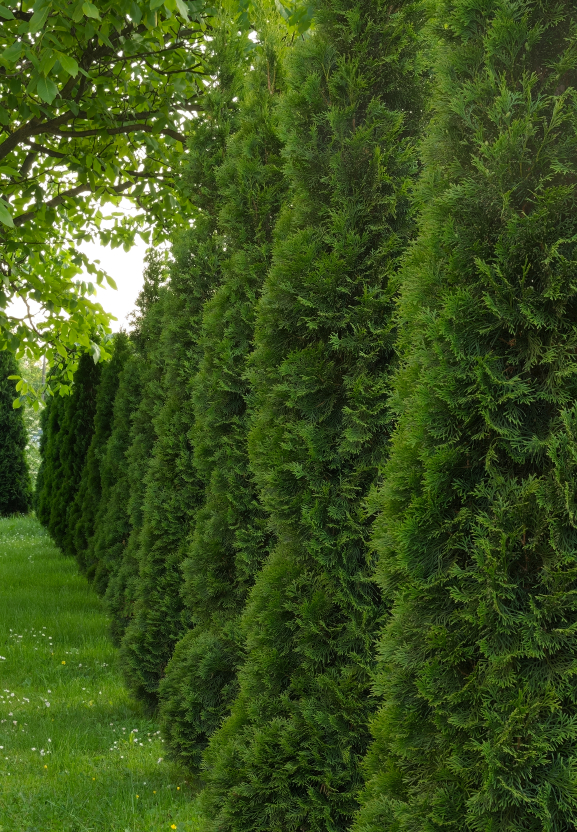
As springtime sets in and the weather gets warmer, you’ll probably find yourself spending more time outdoors. It’s nice to have a little privacy when
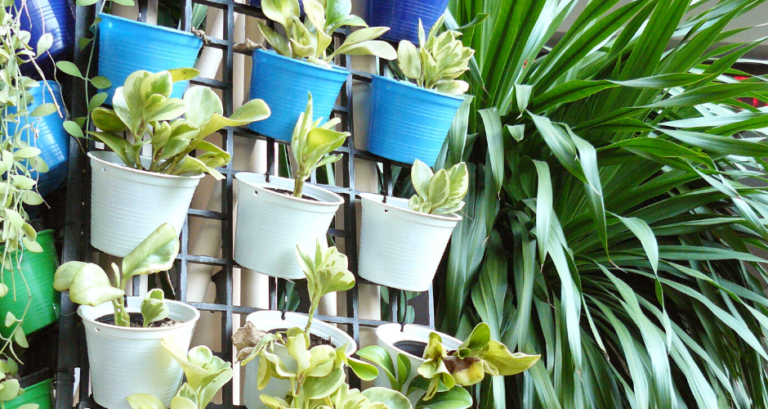
Whether 2020 is the year you design the landscape for your new home or refresh your existing outdoor space, you can maximize your investment and
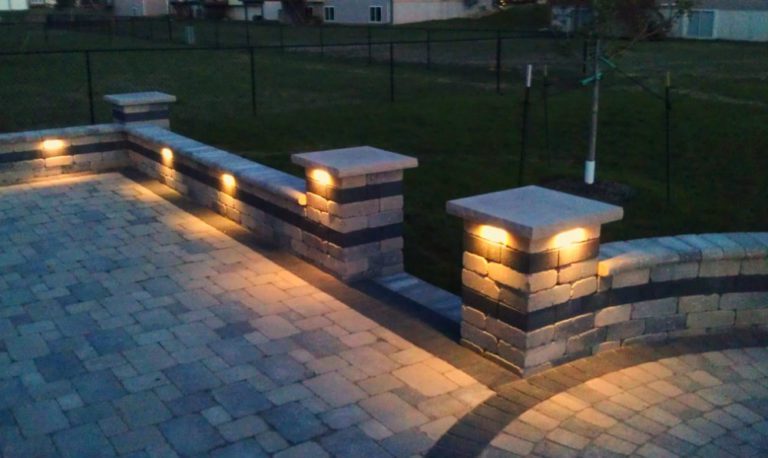
Winter is a great time to complete any number of projects around your home, including your landscaping. The cooler weather means that you won’t be
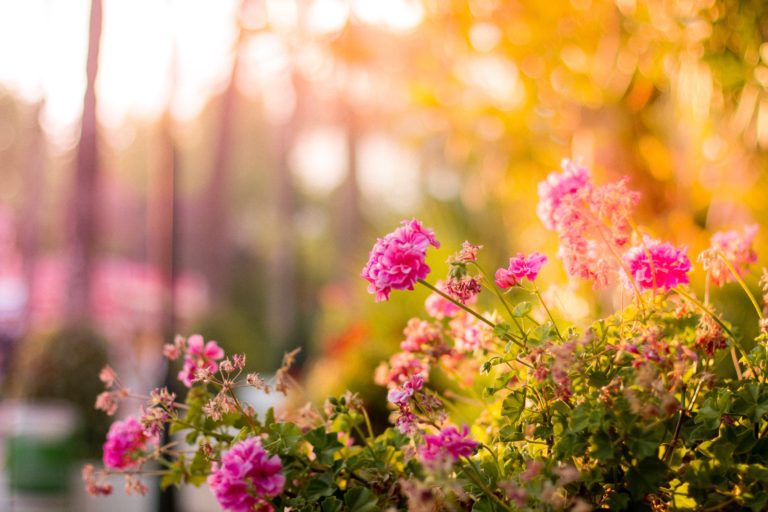
You might be thinking that fall is here and now you can take a big break from maintaining your landscape. Unfortunately, if you would
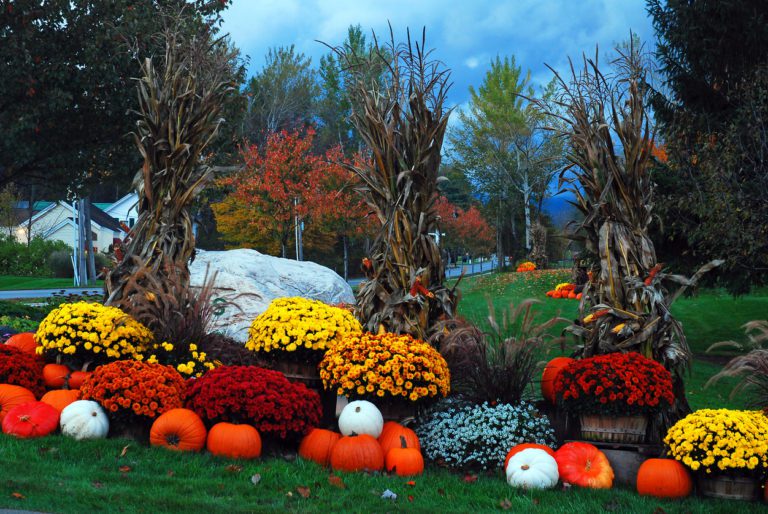
Landscape Design in Lawrence, KS & Surrounding Areas Fall is finally here! The heat isn’t as stifling and everyone is excited about the pumpkin spice
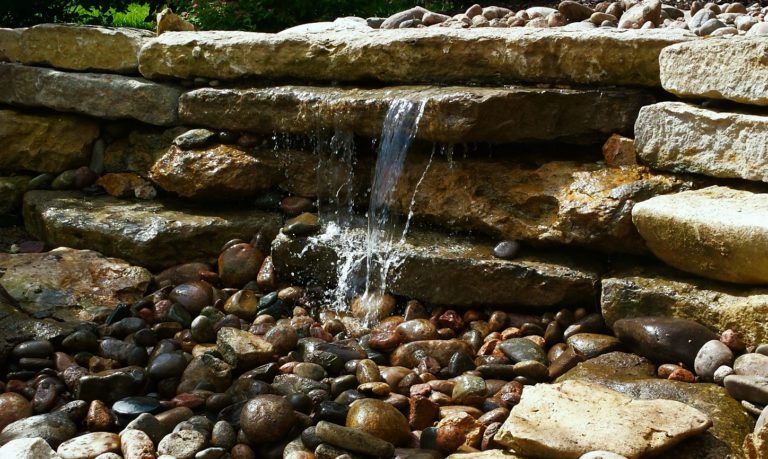
Water features are a great option for those in the Lawrence, KS and surrounding areas because they add focal points to your landscape. Gardens and
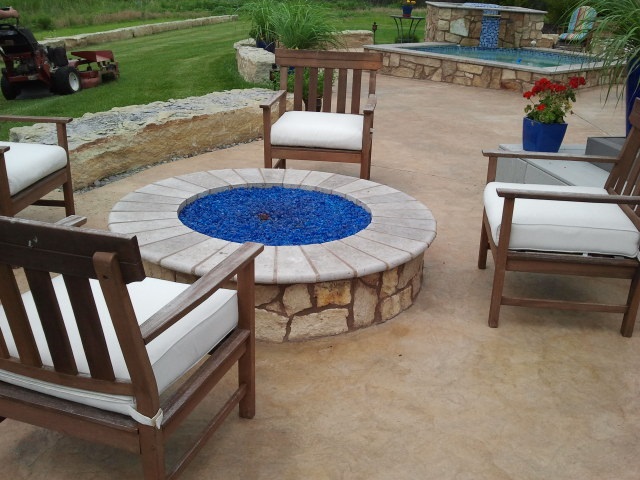
With warm weather and some of our favorite summer holidays coming up, an outdoor entertainment space is a great idea for hosting parties it also
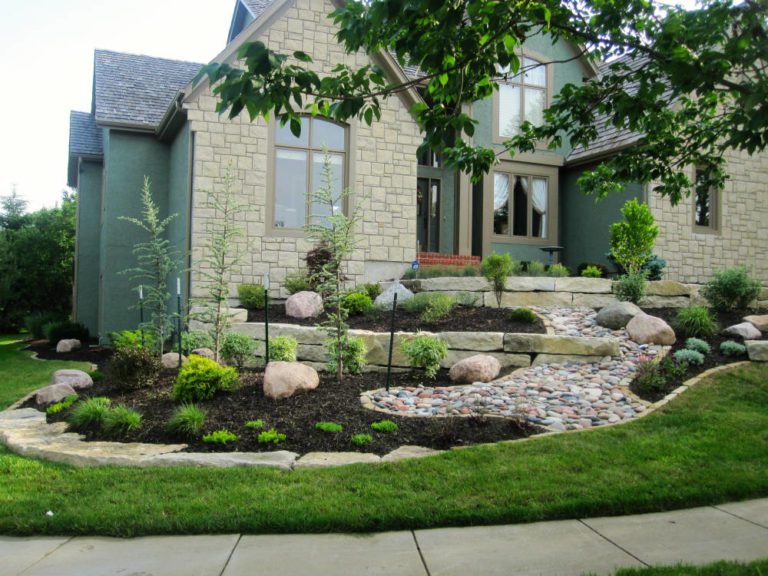
Spring is a good time to think about creating a fresh look for your landscape. Whether you’re starting from a blank slate or adding to
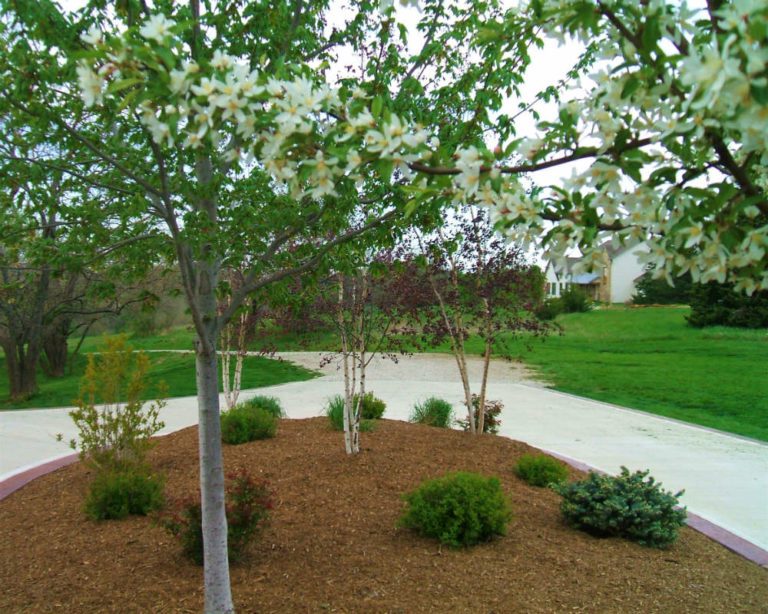
When the weather begins to warm up, it can be exciting to get outside and begin sprucing up your yard. This might include mulching, lawn
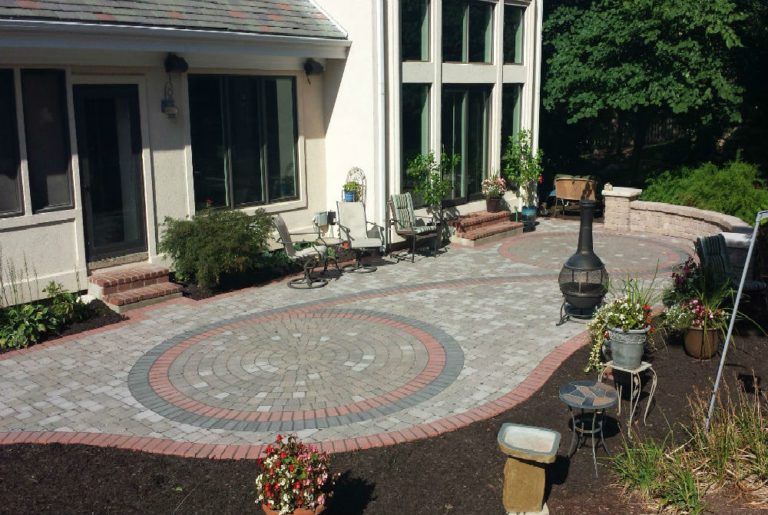
With spring upon us, you may be thinking about what the changing of the seasons will mean for your outdoor spaces. If you’ve been searching
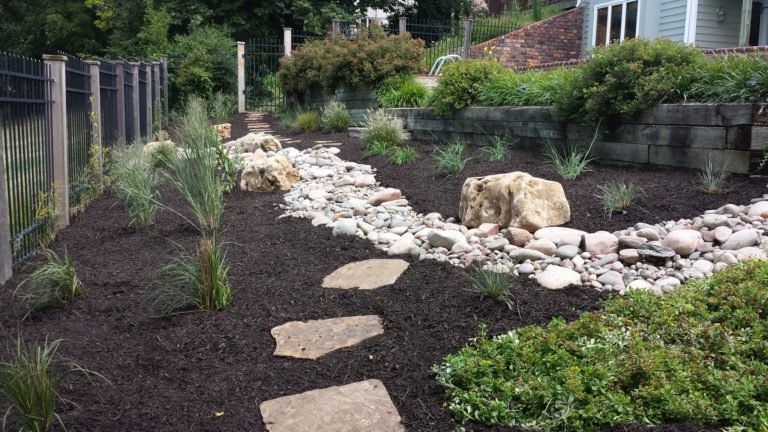
Devin Forio, one of our landscape specialists, says that March is the perfect time to mulch. He suggests this is also the time to apply
Summer can be tough on your lawn. Between the heat, lack of rainfall, and traffic from kids and pets, dry patches and bare spots can
Although summer means pool days, grilling in the backyard with friends and family, and fireworks, it’s also time for summer pests to thrive. To stop
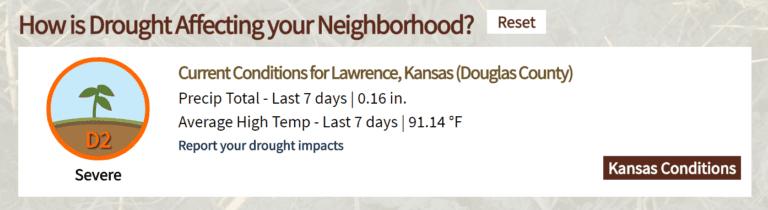
Douglas County is currently experiencing D2-level drought, according to the U.S. Drought Monitor (USDM). This is categorized as ‘severe’ drought by USDM, because it often
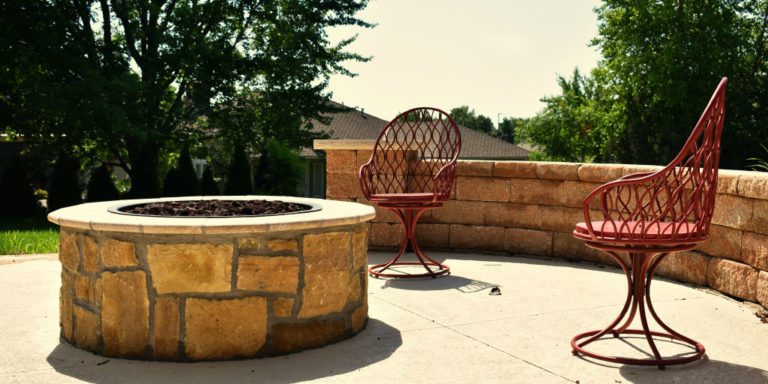
Looking forward to enjoying some beautiful Kansas weather this summer? At Lawrence Landscape, nothing says summer more than a successful, functional outdoor design that’s tailored
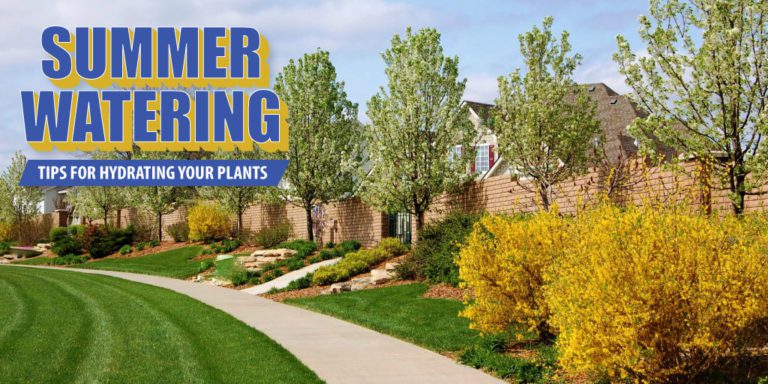
Watering is a simple, yet absolutely necessary part of caring for your trees, shrubs, and lawn. As the weather heats up, sometimes an irrigation system
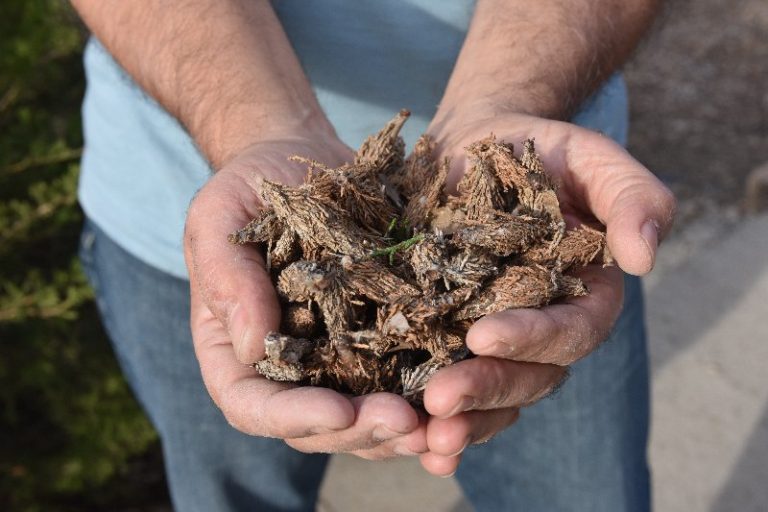
Just the other day, your trees and plant life were lush and green. Now, they’re devoid of any color or foilage. You’ve got a bagworm
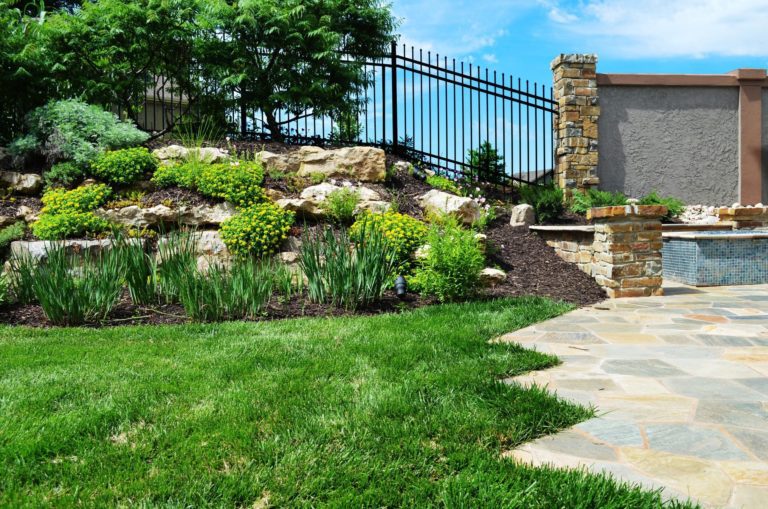
Nothing says “summer” like a lush, vibrant lawn accented by beautiful flowers. In addition to regular mowing and annual fertilization, the only thing your grass

Lawrence Landscape is proud to announce that it has recently been awarded the designation of Landscape Industry Accredited Company by the National Association of
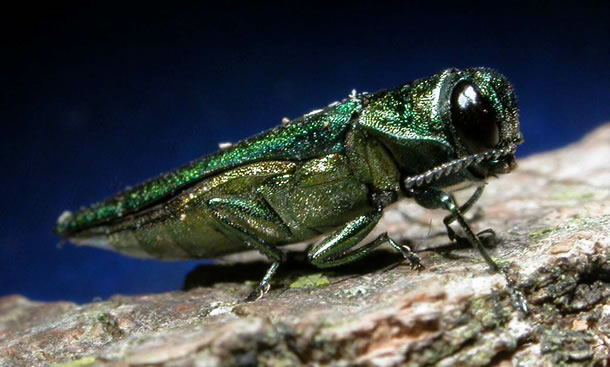
The Kansas Department of Agriculture (KDA) has confirmed that emerald ash borers (EAB) are present here in Douglas County. Their findings indicate that on September 30,

2018 is well underway and the beginning of spring is fresh in our minds. After what seemed like an eternity of dark and dreary weather,

The thing about most new year’s resolutions is that they rarely last, even for those of us with the best of intentions. That’s why

According to a study commissioned by the Environmental Protection Agency (EPA), people spend an average of 90% of their time either indoors or in
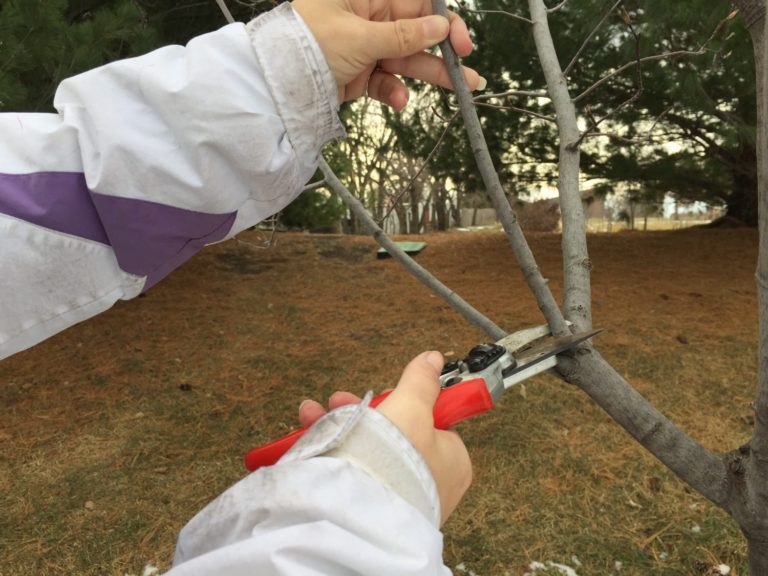
As the seasons change here in Kansas, so does our to-do list in the yard. Aside from shoveling snow, one of the most common
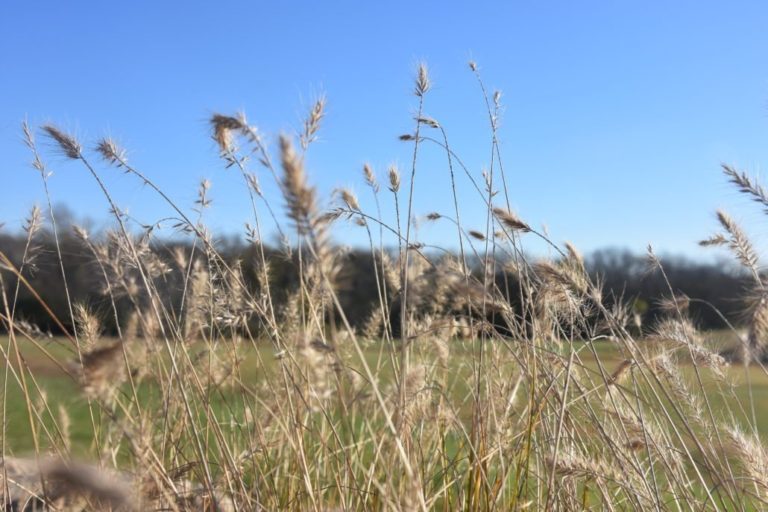
Beyond the excitement surrounding the holidays, the onset of winter can leave folks feeling a bit lack luster at times. The vibrant colors of summer
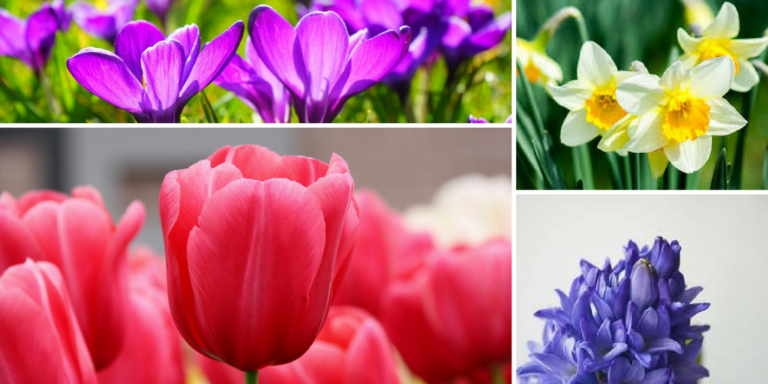
As fall progresses in northeast Kansas, cooler soil temperatures create ideal conditions for planting bulbs that yield spring-blooming perennials. Getting these bulbs safely into

We are out and about turning off irrigation systems in preparation for winter, but it’s important to remember that your plants will still need water
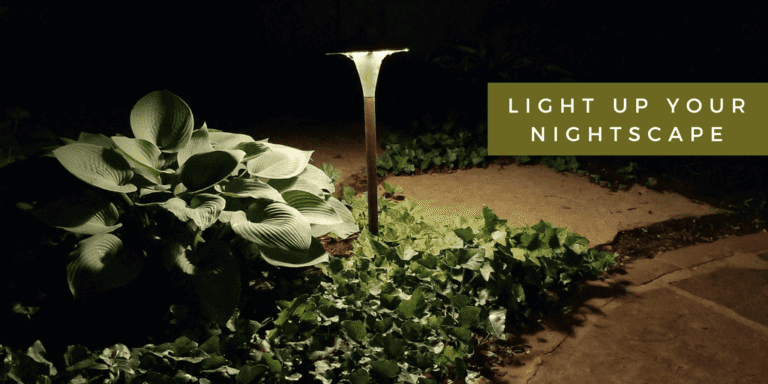
With nights growing longer, now is a great time to look at the different types outdoor lighting and figure out which ones are most
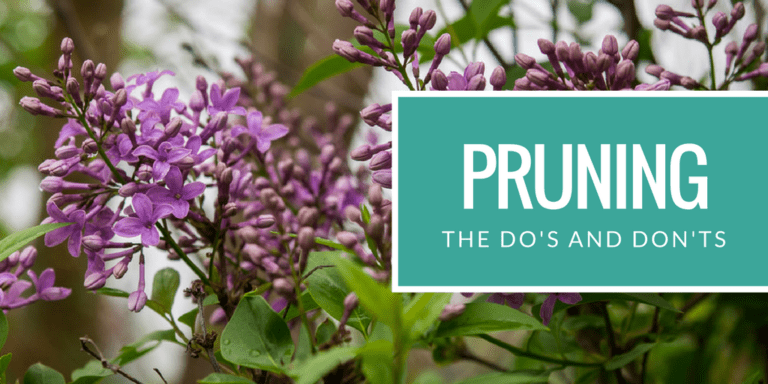
Pruning trees and shrubs is a really important part of keeping them healthy. Removing dead, loose, or infected branches and stems from your plants helps
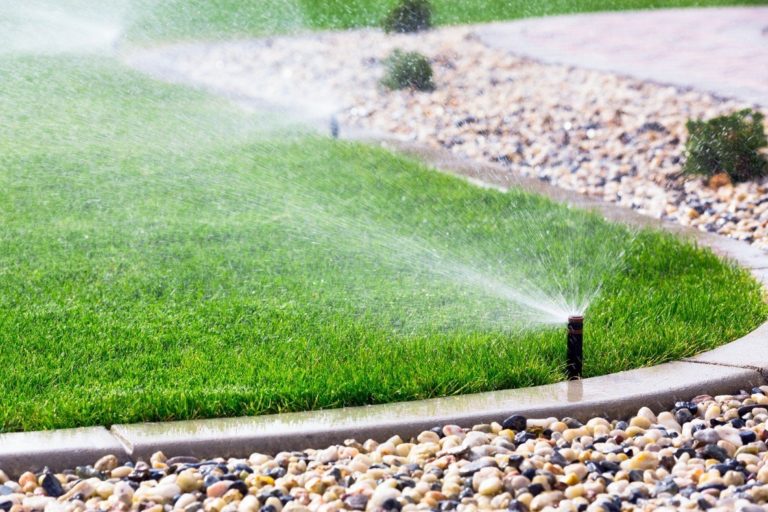
Happy fall! Alongside Halloween costumes and holiday parties, your irrigation system should be at the top of your priority list. Really! We are working on scheduling
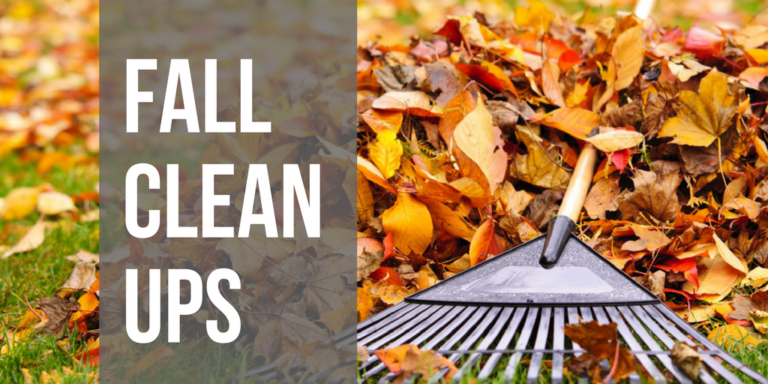
Fall truly is one of the loveliest times of year – the leaves are vibrant with color, the weather is changing from sweltering to
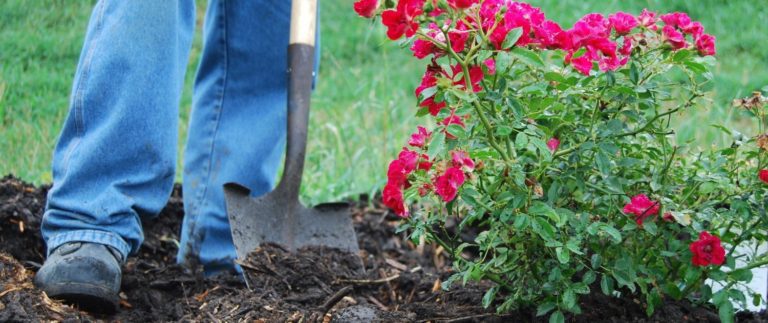
For many of us, fall is the time we start thinking about a major change in weather. The days get shorter, the leaves start to
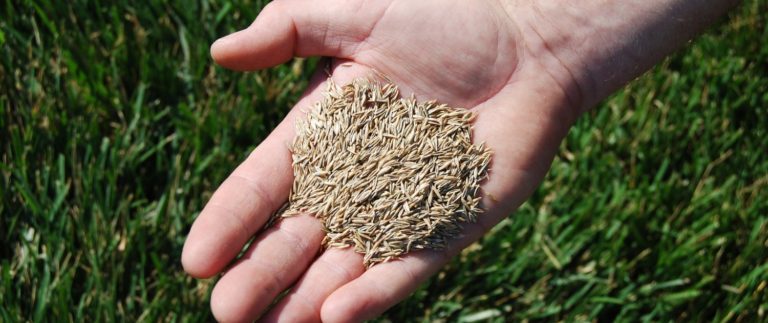
Summer can be tough on your yard. The high temperatures, diminished rainfall, and that slip-n-slide the kids just HAD to have can leave unsightly patches

The epitome of contentment, fire pits and outdoor fireplaces are one of the greatest landscaping additions out there! Fire features allow you to enjoy your
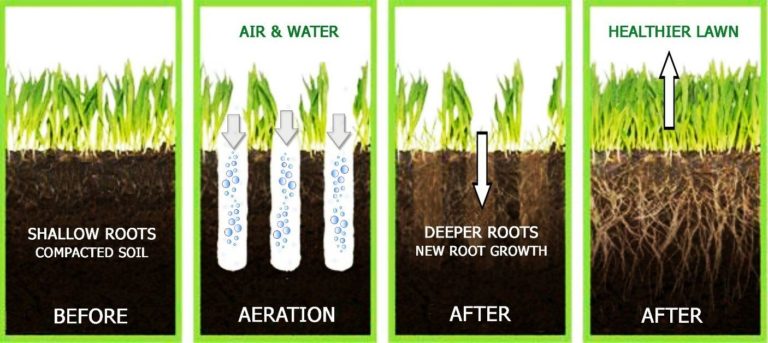
Whether your lawn is in seemingly good health or in obvious need of care, core aeration is an important aspect of routine lawn maintenance, and

Over the past several decades, technology has made our lives easier in ways we couldn’t have fully realized before it was created. In fact, not
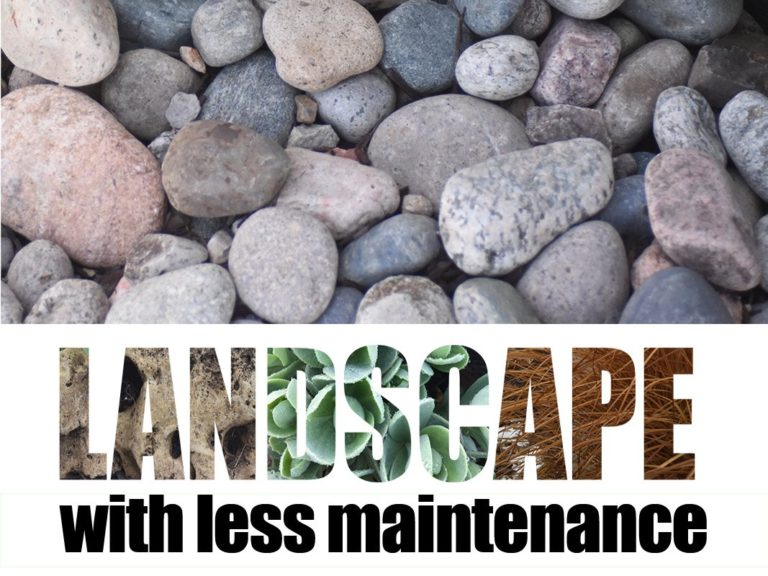
Everyone wants the outside of their home to look beautiful and inviting, but not everyone has the time or patience to deal with landscapes
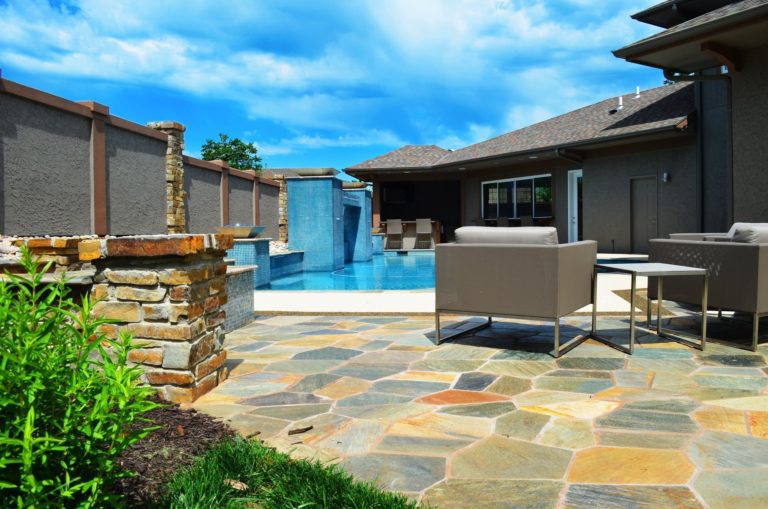
Finding ideas for the perfect patio design is an exciting adventure into your personal tastes. Like any part of your Kansas landscape, your patio
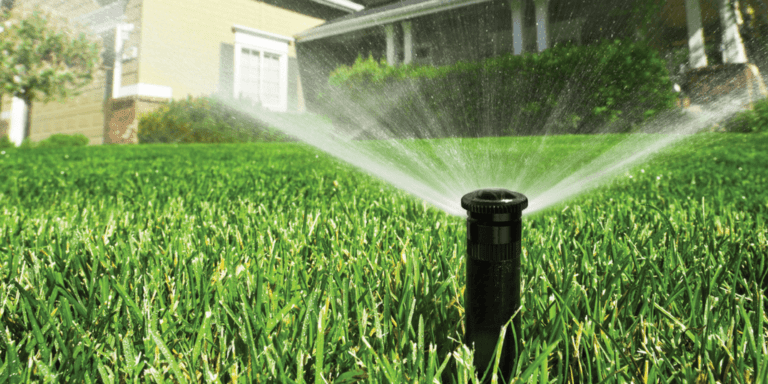
Summer is all about easy living, and while the prospect of backyard camping, cookouts, and time at the pool may have you feeling less stressed,
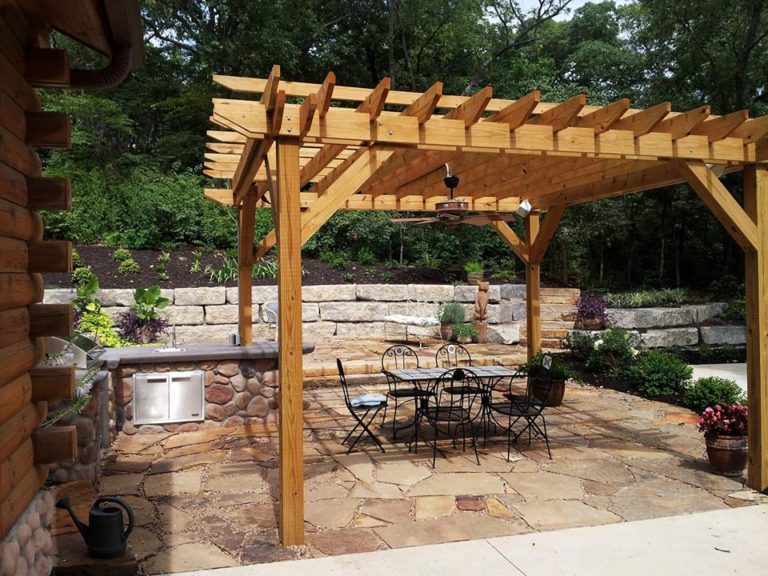
Looking forward to enjoying some beautiful Kansas weather this summer? So are we! For the team here at Lawrence Landscape, nothing says enjoyable outdoor
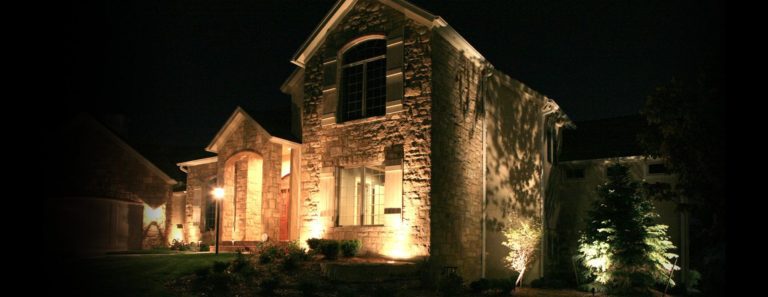
Outdoor lighting is something a lot of homeowners don’t think about when they’re planning their landscape design. Did you know that the right landscape
It’s one thing to implement a beautiful garden or landscape, it’s another to maintain it. One of the most crucial factors that goes into sustaining
Our family moved into a beautiful new home this past winter. The expansive yard has healthy turf making it an ideal place for our
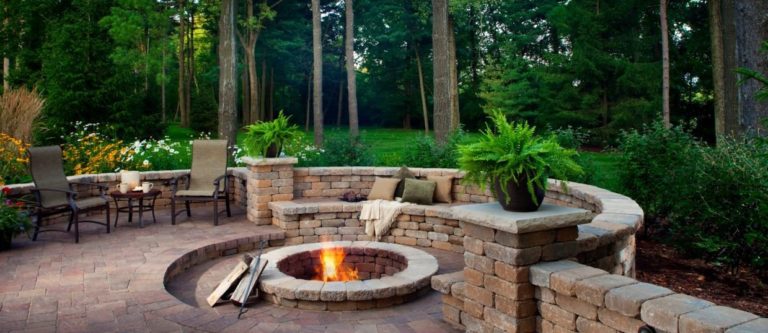
When it comes to making investments, people want to feel confident in their returns. While we are not investment bankers, we are confident that landscaping
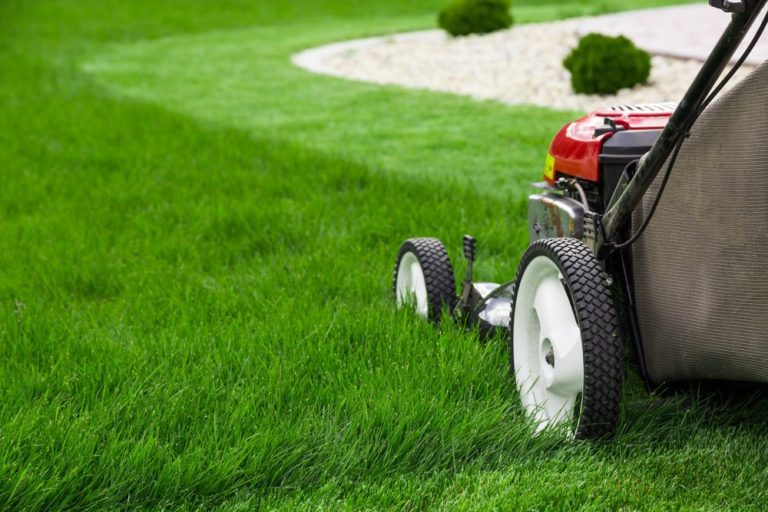
One of the most nostalgic scents of all time is freshly cut grass. It takes you back to the playful days of your childhood,
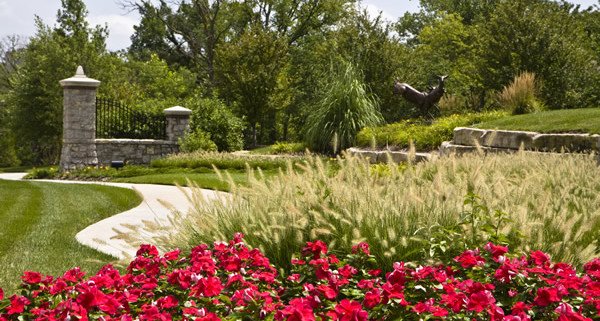
Spring is here, so it’s time to start thinking about landscaping designs for your home. The landscape experts at Lawrence Landscape have come up
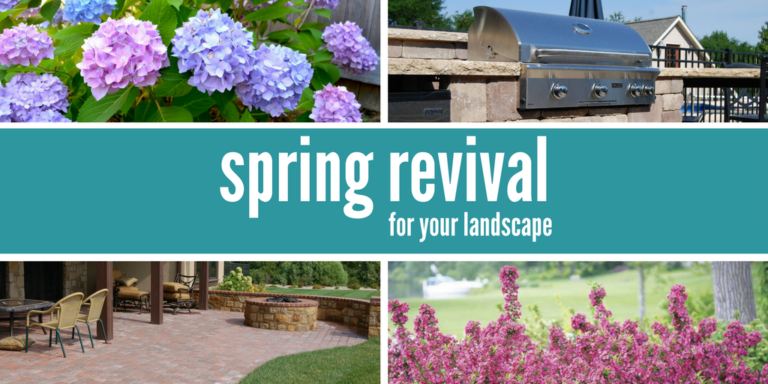
As Kansas winters give way to the longer, warmer days of spring, we can’t help but notice the natural revival of the landscape around us.
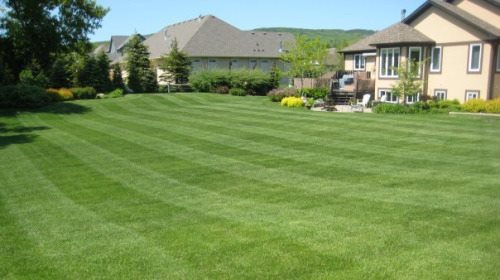
You know a healthy lawn when you see one – it’s thick, lush, and the color is vibrant; however, growing a healthy lawn of your

If you’re anything like us, then you are completely over winter and ready to be outside soaking up sun-shiny vitamin D! Spring is a time
When it comes to lawn care, being pro-active can mean the difference between having a healthy lawn or a lawn over-run with weeds. Timing is